
 EN
EN AR
AR HI
HI ES
ES FR
FR DE
DE


Punished by Rewards
It is frequently suggested that to get others to do things, especially share their knowledge, we need to reward them. But is rewarding people effective?
In his book Punished by Rewards, Alfie Kohn shows that while manipulating people with incentives may seem to work in the short run, it is a strategy that ultimately fails and does lasting harm.
People don’t resist change; they resist being changed. Credit: Peter Senge
From hundreds of studies, Alfie demonstrates that people do inferior work when enticed with money or other incentives. Programs that use rewards to change people’s behavior are similarly ineffective over the long run. The more we use artificial inducements to motivate people, the more they lose interest in what we’re ‘bribing’ them to do. Rewards turn play into work and work into drudgery.
Alfie discusses five reasons why rewards fail.
- Rewards punish: Rewards are manipulative, “Do this, and you will get that” is not much different to “Do this, else here is what will happen to you.”
- Rewards rupture relations: Excellence depends on teamwork. Rewards destroy cooperation.
- Rewards ignore reasons: To solve problems, people need to understand the causes. Rewards ignore the complexities of the issues.
- Rewards deter risk-taking: People are less likely to take risks, explore possibilities, to play hunches.
- Rewards undermine interest: Rewards are controlling! If people focus on getting a reward, they tend to feel their work is not freely chosen and directed by them.
Our approach to Knowledge Management is far more than stick or carrot. We say, “Knowledge Sharing is your job. Do it! As a reward, you may keep your job.”
Credit: Bob Buckman
I would add a sixth reason to Alfie’s list:
Rewards are gamed: People will manipulate the system to win the prize at the expense of doing what is right.
So what’s the solution? How do we encourage people to share? How do we motivate people to do anything?
Alfie makes the excellent point that “Loving what you do is a more powerful motivator than any goody, including money.”
He also says, “Pay people well. Pay people fairly. Then do everything possible to take money (rewards) off people’s minds. Incentives, bonuses, pay-for-performance plans, and other reward systems violate this last principle by their very nature!”
We need to understand our business and world better, and then we will see more clearly what needs to be done for ourselves.
How do we better understand things? Through being involved and engaged in the world and through open conversation. By:
- engaging with and involving each other
- having open conversations with each other
- listening to each other
- showing each other respect
- helping each other find our voice
- showing genuine interest in each other
- supporting each other
- trusting in each other
- recognizing each other’s contributions
- creating opportunities for self-fulfillment and personal development for each other
- not trying to tell each other what to do
We need to understand that we cannot motivate another person. Motivation is intrinsic. People have to find it for themselves. All we can do is help them find it.
We shouldn’t deliberately do things to other people to motivate them — that’s not motivation — it’s manipulation. We need to care about each other and show respect genuinely.
OPINION PIECE: David Gurteen Conversational Leadership: Gurteen Knowledge
Related Posts

CIM-Meirc Partnership to Empower Marketers Across the GCC with Global Best Practices
The Chartered Institute of Marketing (CIM) and Meirc Training and Consulting have formed a first-of-...

What We All Can Learn About Leadership From Sheikh Zayed bin Sultan Al Nahyan
Sheikh Zayed bin Sultan Al Nahyan was the founding father of the United Arab Emirates and a champion...

Emotions for Motivation: 6 Tools to Fuel Energy
At a neurobiological level, emotions are chemicals that carry information and energy to every living...

2023 A Violet Year – THE CALL TO LEADERSHIP
More and more frequently we see headline posts, be it in-house e-zines, newsletters, linked-in or so...

Manipal Academy Committed to Addressing Market Trends In The Workplace
Manipal Academy of Higher Education (MAHE) Dubai proudly announces the launch of its groundbreaking ...

Sharjah’s Department of Statistics and Community Development launches annual labour force survey 2021
The Department of Statistics and Community Development (DSCD) in Sharjah announced the launch of its...

The Ultimate C-Suite Learning & Development Blueprint
In the realm of corporate leadership, the role of wholesome communication in the C-Suite can...
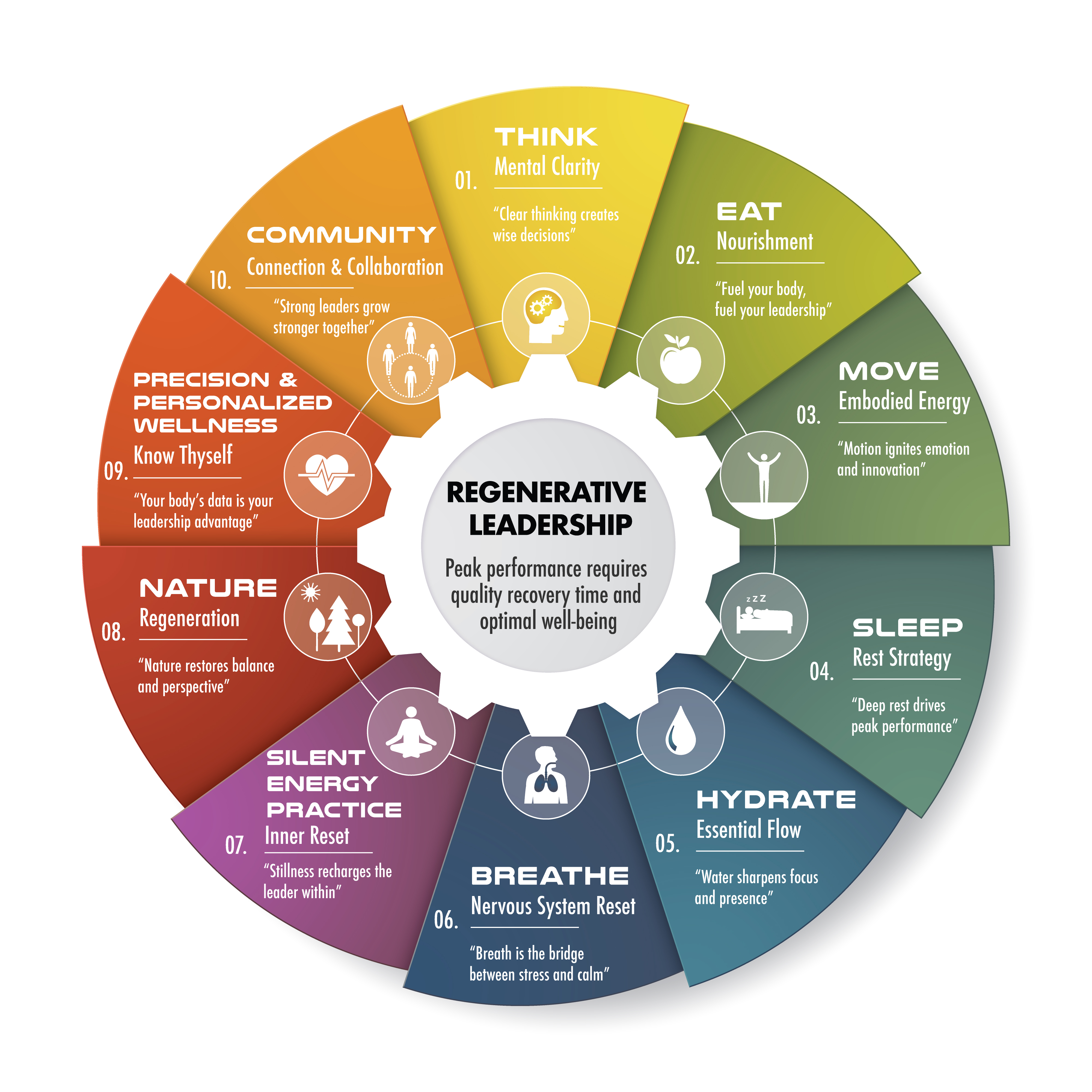
A New Leadership Paradigm is Emerging
In today’s world of relentless change, complexity, and constant connectivity, leadership has t...

Emirati Women Celebrated by DEWA
Dubai Electricity and Water Authority (DEWA) organised the 10th Emirati Women’s Forum under th...

Mohammed bin Rashid attends graduation ceremony for new cohort of the ‘Impactful Leaders’ programme
His Highness Sheikh Mohammed bin Rashid Al Maktoum, Vice President and Prime Minister of the UAE and...
