 EN
EN AR
AR HI
HI ES
ES FR
FR DE
DE


3 Distinctive Traits of Top CEOs
Over the last two decades and across 5 continents, I have been privileged to be exposed to both the good and bad of Leadership at the C suite level. I feel it’s necessary to experience both spectrums of the Leadership continuum to appreciate what GOOD truly looks and feels like.
Recently I wrote an article on ‘Can Do, Will Do & Will Fit’ which highlighted what aspiring employees and organisations should be doing to ensure a better alignment for sustained success. For me, this experience of alignment comes down to creating the right environment and culture, and this starts at the apex of the organisational hierarchy.
Here are the 3 top traits I believe world class CEO’s must have: the non-negotiables!
1. The Ability & Guts to Make Decisions
There is no doubt that the position of CEO is full of problems and opportunities. The problems that land on your desk as CEO typically arrive there as no-one else in your business is able to or willing to solve them.
Making decisions that impact entire teams, organisations and customers is a critical competency and comes from a combination of knowledge, experience and skills. Being able to make decisions quickly (rather than suffering paralysis by analysis) with limited information is what makes this challenging. It’s relatively easy to make decisions when you have all the relevant information on hand.
Ability in this context refers to creating the headspace to bring together the relevant knowledge, skills and experience in a timely manner in alignment to where the organisation is heading, not just for the short term. This requires a sense of risk taking with quality information and support from those around you!
We need to be more agile and daring with the information we have to increase the value to those who believe in our business, from the employees through to our customers.
2. Creating Drive
Drive is all about passion, conviction, energy and motivation. As a leader, when these elements are demonstrated by the CEO, obstacles are more likely to be overcome, extra effort is expended on getting things done and higher levels of positivity are experienced.
Increased Serotonin is released within employees when they are energised and positively impacted by their leaders and their work. Commonly known as the ‘happiness chemical’ this hormone enables brain cells and other nervous system cells to communicate more effectively with each other. Simply by undertaking work you are more passionate about and being exposed to leaders who demonstrate this drive, can result in higher levels of Serotonin being released.
Understanding what drives your people, your teams and organisation, allows CEO’s to lead effectively and to push the buttons required to achieve the most out of the organisation in a sustainable manner.
3. Respecting Values
Ensuring people want to come to work is about creating a culture of inclusion. CEO’s should be authentic about who they are and employees should be able to genuinely behave and trust that their uniqueness, quirkiness and diversity brings increased value to the organisation.
Valuing diversity is not easy as it requires a willingness to listen to points of views that are not necessarily aligned to your own and to be open minded to suggestions that are different. As a leader, we must accept that we don’t have all the answers but trust that they can be found through the people around us.
I have worked with many CEO’s looking to grow their business who hire great people but then stunt the business growth by then putting these same people into a box, and only listening to them when convenient. Using a ‘growth mindset’ and accepting that diversity in thinking and style is critical for success will help generate greater returns. Park the ego and intensify listening!
What are the non-negotiable traits you believe world class CEO’s should demonstrate to get the maximum return for their people and businesses?
Author: Gaj Ravichandra gaj@kompassconsultancy.com
Disclaimer
This article is part of the ME HR Contributor Series. The author is an expert in their field and contributes to ME HR & Learning. We are honored to feature and promote their contribution on our blog. Please note that the author is not employed by ME HR and the opinions expressed in this article do not necessarily reflect official views or opinions of ME HR.
Related Posts

Introducing the Cognizance Quantifier (CQ) for Talent Optimization in a Corporate Environment
(Realizing and Harnessing Self-Actualization in the Digital Age) Maintaining a desired pool of capab...

The Art of Silence: Communicate, Connect & Collaborate Without Words
In a world where communication often takes place through digital devices, it’s easy to forget ...

HR Stepping UP
HR has done a stellar job and it is a commendable effort indeed. However, apart from the daily grind...
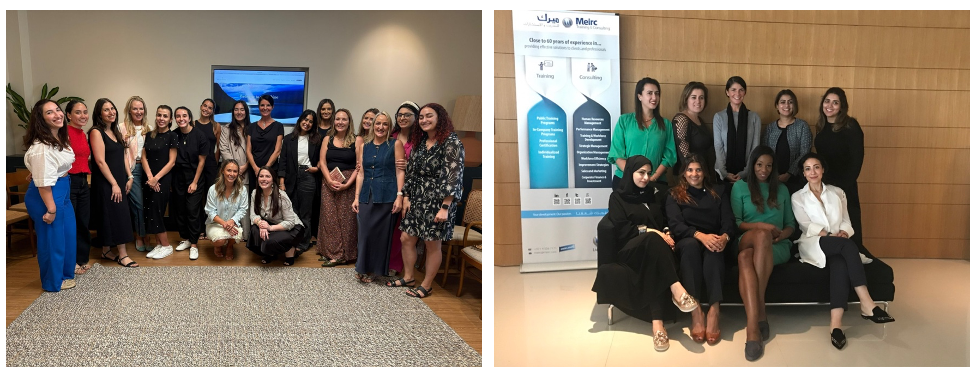
Globally Acclaimed SHINE Programme Launches in the GCC to Empower Female Leaders
SHINE, an internationally recognised female leadership and empowerment programme created by RoundTab...
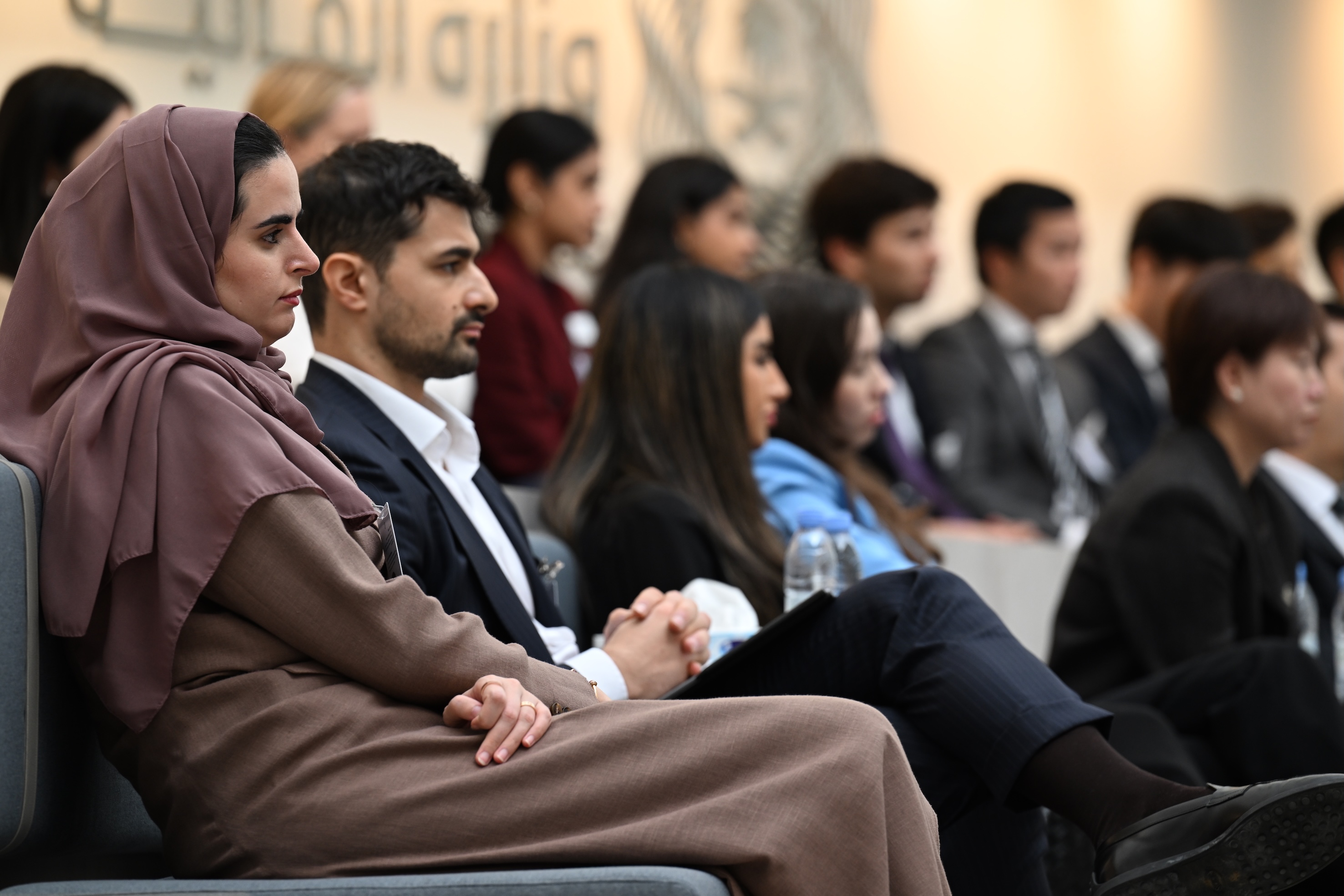
London Business School Global Experience in Riyadh Bridges Global Learning
London Business School (LBS), a global leader in business education, has concluded an intensive Glob...
CIM-Meirc Partnership to Empower Marketers Across the GCC with Global Best Practices
The Chartered Institute of Marketing (CIM) and Meirc Training and Consulting have formed a first-of-...

The Nine Essential Pursuits Of Wise Leaders
I’ve had the great honour and privilege since 1990 to be in the room with more than a million ...

Climate Change a Driver in UAE Policy to Enhance Job Opportunities
The UAE embraces a set of integrated policies to enhance and diversify job opportunities, boost empl...

Emotional Intelligence Reaches The Arab Speaking Market
Six Seconds comes closer to reaching its target of bringing Emotional Intelligence to 1 Billion Peop...

Emirati Women Celebrated by DEWA
Dubai Electricity and Water Authority (DEWA) organised the 10th Emirati Women’s Forum under th...
