 EN
EN AR
AR HI
HI ES
ES FR
FR DE
DE


Leadership During Crisis
How to Maintain Clarity and Confidence When Crisis Hits
The Middle East is no stranger to disruption. From climate-driven events such as flash floods and extreme heat affecting infrastructure, to geopolitical shifts altering trade and investment flows, leaders across the region are often called to steer their organisations through uncertainty. In such moments, effective leadership is less about avoiding crises and more about responding with clarity, confidence, and resilience when the unexpected occurs.
Preparedness as a Leadership Imperative
The most effective leaders recognise that crisis preparedness is not a luxury but an essential part of business resilience. According to the International SOS’ Global Crisis Management White Paper, organisations that invest in foresight and structured crisis planning recover faster and sustain less reputational and financial damage. Leaders should prioritise building robust contingency frameworks, regularly stress-testing business models, and rehearsing escalation scenarios. Establishing a clear chain of command and ensuring decision-making protocols are understood company-wide helps reduce confusion when every second counts.
Strategic Thinking Under Pressure
Crises demand rapid yet informed decision-making. The instinct to focus solely on immediate firefighting can be strong, but resilient leaders keep the bigger picture in view. The ability to step back, assess long-term implications, and align tactical actions with strategic objectives sets apart organisations that emerge stronger. This dual focus, addressing today’s disruption while protecting tomorrow’s stability, prevents short-term reactions from undermining future resilience.
Navigating Infrastructure Breakdowns
The region’s recent experiences with power outages, transport disruption, and supply chain bottlenecks highlight the importance of planning for infrastructure fragility. Leaders should ensure that business continuity strategies account for alternative logistics, remote working capabilities, and employee safety protocols. Embedding flexibility into operations not only minimises downtime but also demonstrates to stakeholders that the organisation is prepared for multiple contingencies.
The Human Dimension of Leadership
Clarity and confidence are not only strategic but also human qualities. During high-pressure moments, how leaders communicate is as important as the decisions they make. Transparent, timely, and empathetic communication fosters trust—both internally with employees and externally with clients, partners, and regulators. Visible composure from leadership reassures teams that the organisation remains in control, even amid volatility.
Building a Culture of Resilience
Ultimately, crisis leadership in the Middle East requires a balance of preparation, adaptability, and people-centred thinking. By anticipating risks, empowering teams, and maintaining open lines of communication, leaders can navigate turbulence while safeguarding long-term growth. In doing so, they not only guide their organisations through disruption but also embed resilience into the organisational DNA.
Crisis is inevitable; how leaders respond is not. Those who prepare, adapt, and lead with clarity and confidence will not just withstand the storm—they will shape a stronger future for their organisations and the region at large.
Author: Sebastian Bedu, General Manager, International SOS Middle East
Related Posts

The Hidden Operating System Behind Every Leader
I remember the ENRON SCANDAL VIVIDLY. I was part of a strategic leadership program then and...
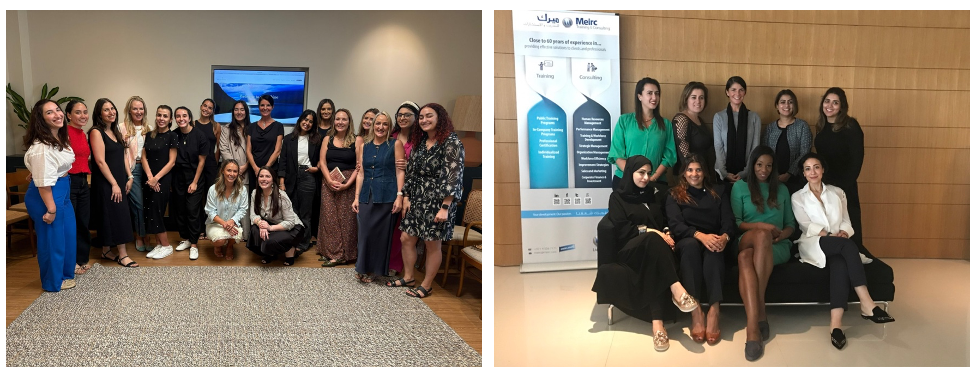
Globally Acclaimed SHINE Programme Launches in the GCC to Empower Female Leaders
SHINE, an internationally recognised female leadership and empowerment programme created by RoundTab...

Mohammed Bin Rashid Government Excellence Awards
His Highness Sheikh Mohammed bin Rashid Al Maktoum, Vice President and Prime Minister of the UAE and...

The Art of Silence: Communicate, Connect & Collaborate Without Words
In a world where communication often takes place through digital devices, it’s easy to forget ...

Do you need the same skills after promotion?
I had a meeting this morning at Mall of the Emirates. On my way out of there, walking past t...

Mid-Day Break to Come Into Force from Wednesday
The Ministry of Human Resources and Emiratisation is implementing the Mid-Day Break for the 18th con...

Three Tips to Boost the Powers of Your Organizational Brain!
Are you interested in boosting your organization’s performance? Do you want to create a more p...

MBZUAI Unveils First-of-Its-Kind Undergraduate Programme in Artificial Intelligence
The Mohamed bin Zayed University of Artificial Intelligence (MBZUAI) is disrupting the AI education ...

The International Coaching Federation Announces Inaugural Converge Summit 2026
Registration is now open. For more information visit: icfconvergesummit.com The Internationa...

Listening Is the Key to Motivation says Julia Voloshchenko
The main idea behind motivation and engagement programmes is to make employees happier” &mdash...
