 EN
EN AR
AR HI
HI ES
ES FR
FR DE
DE


Digitalization Of Motivation And Engagement As A New Turn In The HR Tech Industry In The Middle East
Julia Voloshchenko, Public Relations Manager at Teal talks rapid change in the HR Tech Industry
You've probably heard of the HR Tech industry, and anyway, if you work in it, you can feel how the market is changing. Some technologies are having the biggest impact, some are becoming a thing of the past, and some are coming back from the past.
HR Tech is an industry where development is the first priority. The process of digitalization, which is actively penetrating all areas of society's working activity, has not bypassed HR Tech. Automation of routine processes, 24/7 support, working with remote employees, employee engagement and motivation — this is just a small part of what digitalization affects.
Özden Yiğit, Head of HR at Bayer Middle East, shares the following thoughts: “I am very optimistic that digitalization and HR technologies will help HR to be more strategic, data-driven and employee focused. As we have already started to experience, from AI-driven recruitment and talent matching to automating repetitive tasks, AI will help HR teams focus on high value-added activities like enhancing employee experience and well-being. Gladly, use of apps and technologies has already been supporting the mental and physical well-being of employees. In the future, we can expect more tech-solutions for physical, mental, and emotional health. I also expect more focus on gamification in learning and development tools in the future. In summary, HR leaders will get the benefit of higher efficiency, decision-making and enhanced employee experience in the future of HR Tech.”
The growth of this market is driven by digitalization, among others. According to Fortune Business Insights statistics, the global HR market size will grow from USD 40.45 billion in 2024 to USD 81.84 billion by 2032. (Source: https://www.fortunebusinessinsights.com/human-resource-hr-technology-market-105437).
If we talk about the development of HR in the Middle East, according to Astute Analytica research, the market size is estimated to be $2557.3 MLN USD in 2024 and by 2032 it will be $5483.5 MLN USD (Source: https://www.astuteanalytica.com/industry-report/gcc-hr-tech-market).
James-Dylan Lloyd (JD), Business Development Manager at Bella Virtual Staging, adds the following: “The HR Tech in the Middle East is actually expanding rapidly. With the push towards Vision 2030 in Saudi Arabia and similar initiatives in the UAE, HR tech solutions are playing a critical role in helping companies stay competitive. We’re going to see a huge increase in the use of AI for things like talent acquisition, performance management, and employee engagement. Predictive analytics will also be key, helping employers not only find the right talent but also anticipate employee needs and retention risks.”
Digitalization makes HR processes easier — this is a fact we have to agree with. To move forward, we need to open the doors to new technologies and processes.
As Charley Zuidinga, CEO of Qualee, points out, “digitalization is revolutionizing HR in the Middle East by streamlining processes and making HR more data-driven. It’s enabling companies to adopt automated onboarding, real-time feedback systems, and AI-powered analytics for more informed decision-making. Digital tools are also playing a critical role in fostering remote and hybrid work environments, which are becoming more common in the region. The integration of advanced technology is improving efficiency, reducing manual processes, and enabling HR teams to focus more on strategic, value-driven initiatives.”
Digitalization affects daily HR processes, making them as convenient as possible for workers and employees. These processes include employee surveys, 1-to-1, employee loyalty and engagement programs, with automated rewards for anything.
“Employee recognition and rewards are more than just a fashion trend. Investing in such programs can yield tangible returns in the form of increased productivity, employee loyalty and business growth. When employees feel valued, they become more committed to their work, which leads to better results.” adds Kirill Morozov, Product Owner at Teal HR — a platform for employee motivation and loyalty.
What types of motivation are most popular in the Middle East?
“Relevant motivators in the Middle East now focus on purpose, belonging, and continuous development. Employees want to feel connected to their work and the organization’s mission, especially in culturally diverse teams. Offering personalized learning opportunities and real-time feedback helps employees feel recognized and invested in. Traditional motivators like strict hierarchy and one-size-fits-all financial rewards are losing appeal. Today’s workforce seeks more flexibility and the ability to contribute to company growth through collaborative engagement, rather than just financial incentives.” notes Charley.
James-Dylan adds: “When it comes to motivation, the Middle East has traditionally relied heavily on financial rewards. However, there’s been a noticeable shift. While compensation remains important, employees are increasingly valuing flexibility, work-life balance, and opportunities for career growth. Perks like remote working options and wellness programs are gaining popularity, whereas traditional motivators like rigid hierarchies and formal recognition programs are becoming less effective, especially with younger employees who crave more autonomy and purpose.”
Kirill notes, in order for a recognition strategy to be effective, different aspects of the corporate culture and individual employee needs must be considered:
- Personalized approach. Different employees value different forms of recognition. Some value public recognitionmore than others, while others value personal attention from management.
- Frequency. Regular recognition, not just on special occasions or merit, makes the process more sincere and effective.
- Timeliness. Immediate recognition of an employee's contribution greatly enhances its effect.
- Connection to corporate values. Recognition should reflect the company's corporate values and culture.
It is worth distinguishing between the concepts of reward and recognition:
- Rewards are tangible or intangible rewards for achieving certain results or accomplishing tasks.
- Recognition is an assertion or expression of approval and value of someone's merit, actions, or qualities.
Critical difference: rewards are transactional and economic. Recognition is an emotional and psychological event.
While rewards and recognition are different in nature, together they create a powerful combination to incentivize better performance. With the right combination of these elements, companies can create a work environment where employees feel valued and motivated.
Regarding types of motivation, Özden adds: “I believe one should not exclude the other. Material motivation, basically providing a competitive compensation and benefits package, is critical to attract, and retain employees and ensure their financial security. Non-material motivation is also critical to enhance employee engagement and loyalty. Employees want to see the purpose of their job, their contribution, they want to have various learning and development opportunities, they value flexible work arrangements and want to have a supportive work environment.”
Speaking about the level of digitalization of processes in each company, it is worth noting that it depends on the company itself. Some have long been open to the introduction of new technologies, including AI for HR, for data analytics and many digital tools. And some are just embarking on the path of digitalization, while being afraid to face non-acceptance of innovations on the part of employees. But it is important to understand that by missing these opportunities, companies miss the opportunity to “unload” their HR department, which, having automated some processes, can deal with no less important issues related to corporate culture and internal values of the company.
Julia Voloshchenko, Public Relations Manager at Teal
Related Posts

Saudi Jisr Closes a $30 Million Investment Round by Merak Capital
Jisr, the largest platform for digitizing human resources operations in Saudi Arabia, has closed an ...
Shhh! The Latest Chatter on AI in the Workforce
Lot’s of chatter out there about how employment opportunities will be affected by Ai. This ...
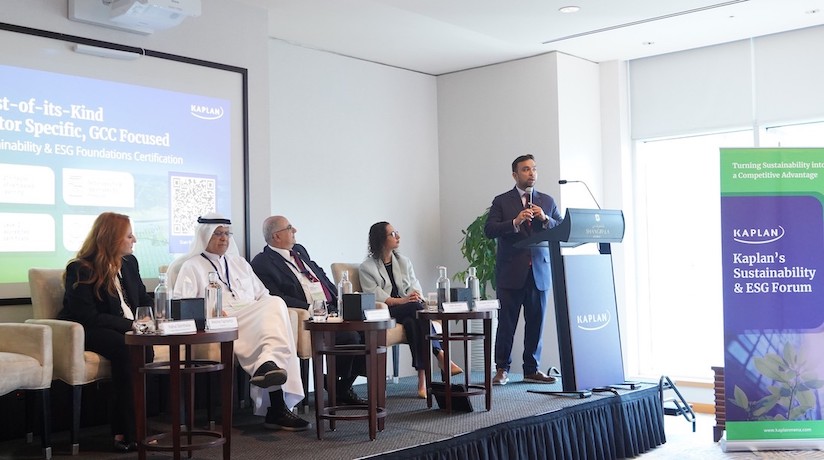
Kaplan MENA Hosts Landmark Sustainability and ESG Forums in Riyadh and Dubai
Forums convene regional ESG leaders and mark the launch of Kaplan’s sector-specific, GCC-f...

Zoho Campaigns Lend Efficiency to Several Functions of XpertLearning
The company XpertLearning is a Dubai-based digital learning, talent, and performance solution...
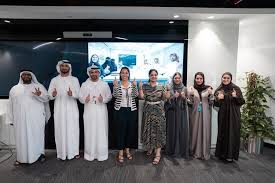
Thales Launches Early Careers Program for Emirati Talents
Thales, a global leader in high technology solutions for aerospace, defence, digital identity and se...

52% UAE Employees Would Prefer to Work with an AI Colleague
A new report from Oliver Wyman, a global management consulting firm and a business of Marsh McLennan...

How Hyper-localised HR Tech Can Deliver the Edge UAE Businesses Need to Thrive
Competing on the back of the latest technology is not a new concept. For centuries, this concept has...
Ramco Payce Now Certified with Workday Global Payroll Connect
Ramco Systems Limited announced today that Ramco Payce has been officially certified as a Workd...

A Decade of Innovation - Blending Tech and Touch
To register click here: https://hrtechmena.com/ Dates: 13-14 May, 2025 W Dubai, Pal...
.jpg)
Tata Consultancy Services and MIT Sloan Mgt Review Launch New Research Series
Tata Consultancy Services (TCS) (BSE: 532540, NSE: TCS), a global leader in IT services, c...
